Saving sight. Transforming lives. Call: +91 98991 18030
DIABETIC EYE CLINIC

A world where no one loses vision to preventable diabetic blindness

Diabetic Eye Clinic is India's first vertically integrated ecosystem dedicated to eradicating diabetic retinopathy through prevention, mass screening and world-class treatment — starting with those who need it most.

Book a screening Donate Partner with us
  • NABH-accredited facilities
  • 80G & FCRA compliant
  • Three years of verifiable impact data
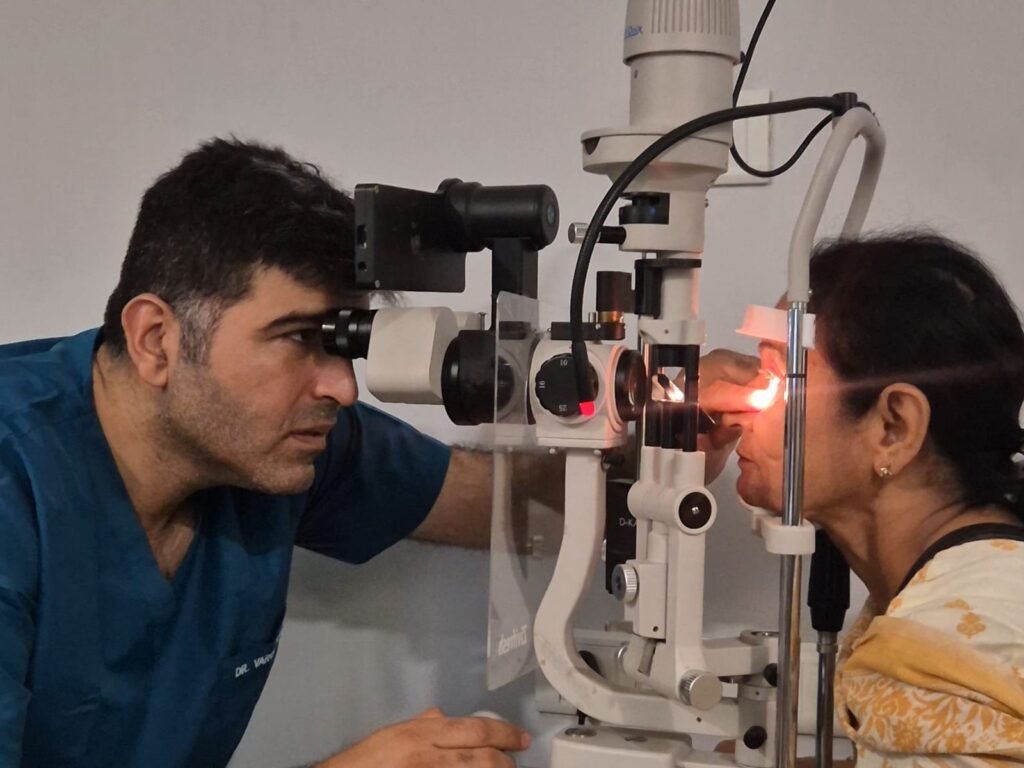
Eye specialist examining a patient at the slit lamp
ABOUT US

Who we are

Diabetic Eye Clinic is a social enterprise with one aim: that no one loses their sight to diabetes. It brings together a super-speciality eye hospital and the dedicated charitable trust the hospital set up, so that no diabetic patient — rich or poor — goes blind from preventable disease.

The hospital brings the specialists, the facilities and the surgery. The trust takes awareness and screening to people who would otherwise never see an eye specialist, and makes sure those it finds get treated.

The eye hospital

Super-speciality doctors, advanced retinal imaging and in-house treatment — anti-VEGF injections, laser and vitrectomy.

The charitable trust

Awareness drives, community screening camps and the physician outreach programme, supported by donors and CSR partners.

Our partners

The DCDC physician network, for screening within routine diabetes care, and Adharshila, for cataract surgery.

SAVING SIGHT. TRANSFORMING LIVES.

Our vision

A world where no one loses their vision to preventable diabetic eye disease.

Our mission

To eradicate preventable blindness caused by diabetes by establishing a comprehensive, accessible and sustainable ecosystem of prevention, early detection and world-class treatment, with a special focus on serving underserved communities.

OUR IMPACT AT A GLANCE

Three years of data-driven care

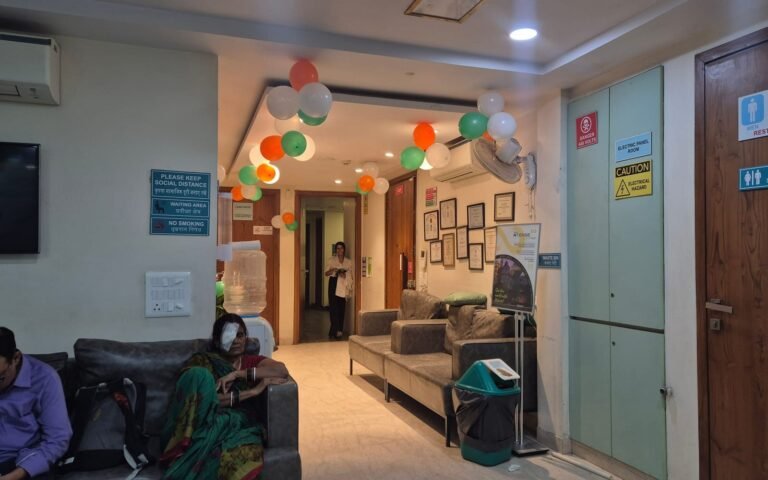
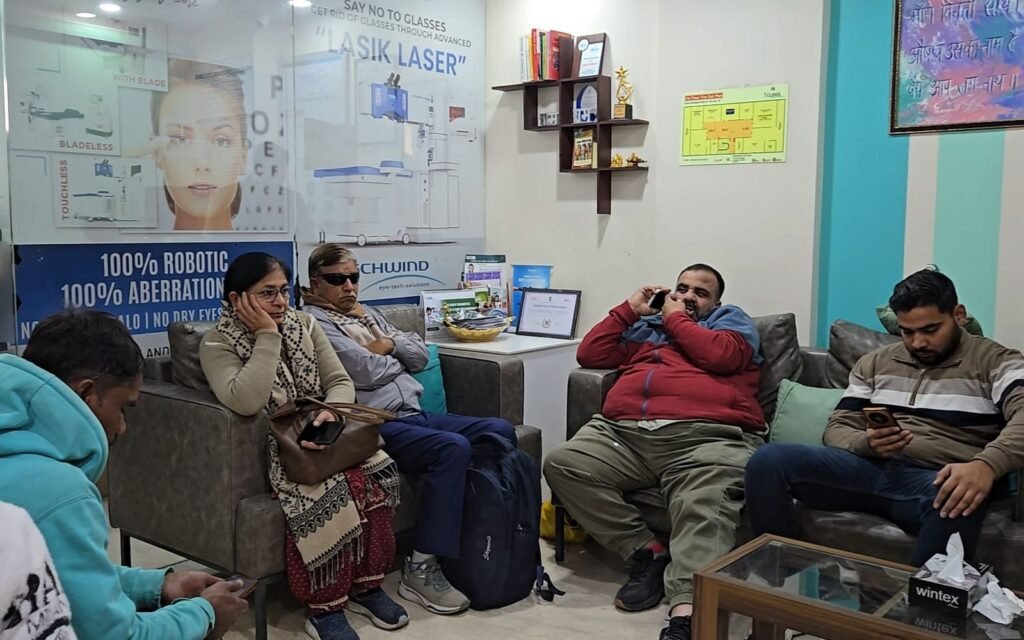
Patients in the clinic waiting area
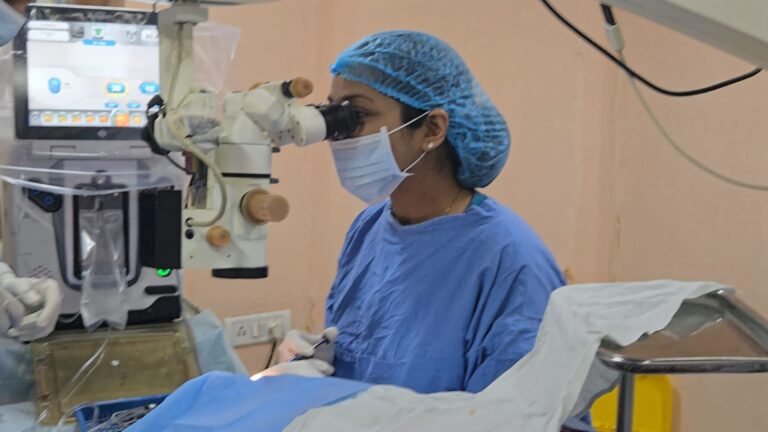
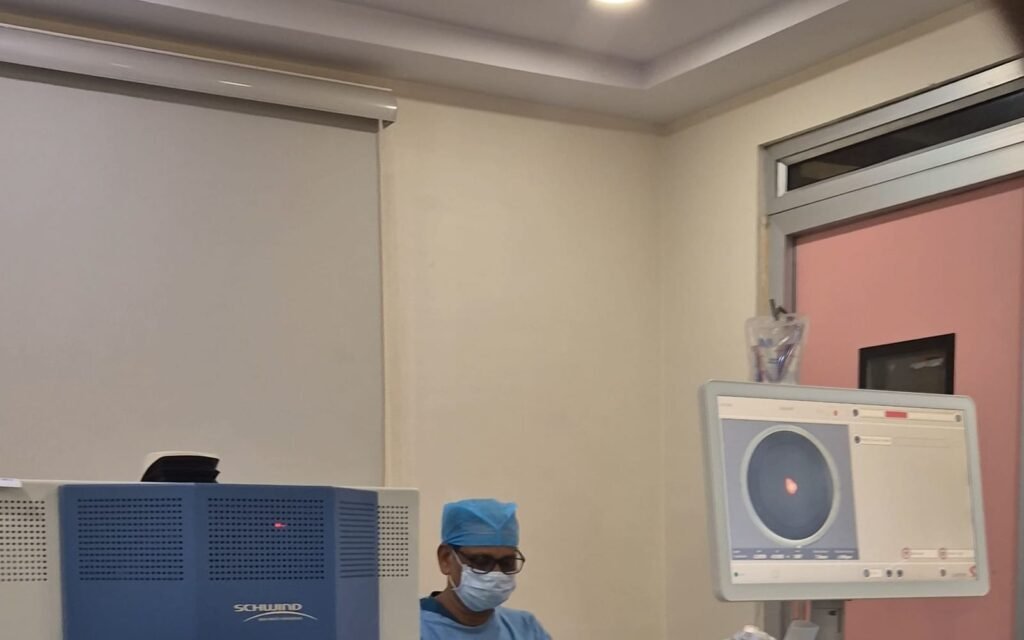
Eye surgery in progress under the operating microscope
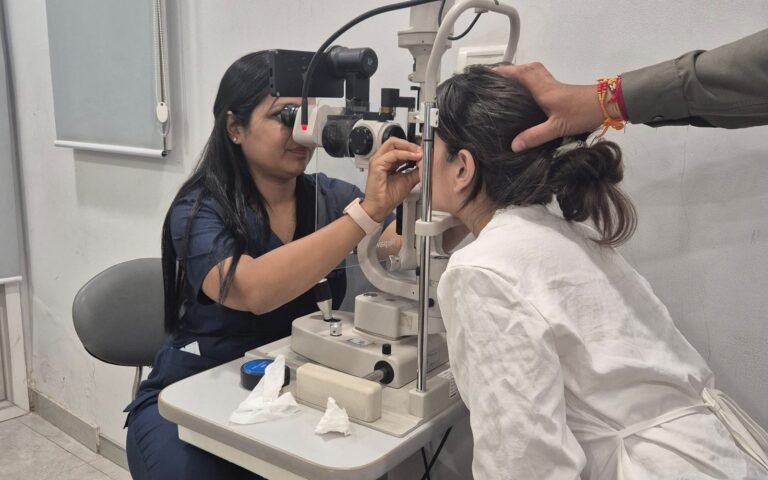
Optometrist examining a patient's eyes at the slit lamp
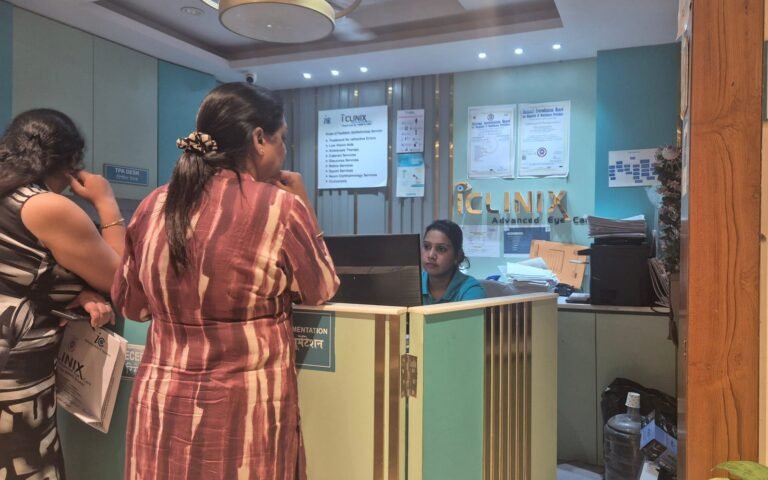
A patient at the clinic reception
50,443 People screened for diabetic eye disease
25,000 Diabetic retinopathy cases detected
50,000+ Cataract surgeries for diabetic patients
311 Community eye camps held
11,000+ Screened through the DCDC physician partnership (2025)

These numbers represent real people whose sight has been saved, whose futures have been protected, and whose families have been spared the devastating consequences of preventable blindness.

THE SILENT EPIDEMIC: WHY WE EXIST

The diabetes capital of the world faces a blindness crisis

India is home to over 101 million people living with diabetes — and diabetic retinopathy is quietly taking the sight of people in their most productive years.

Diabetic retinopathy (DR) happens when persistently high blood sugar damages the tiny blood vessels of the retina. Left untreated, it leads to progressive vision loss and, ultimately, irreversible blindness. It is now a leading cause of blindness among working-age adults — with a ripple effect of lost income and independence for whole families.

The danger is that DR is entirely without symptoms in its early, treatable stages. By the time vision is noticeably affected, the damage is often permanent.

Diabetic Eye Clinic was set up to confront this head-on — not with isolated camps, but with a complete, sustainable care model: awareness, screening, treatment and long-term follow-up.

101 million+people in India live with diabetes
135 million+expected by 2030
1 in 5people with diabetes develop diabetic retinopathy
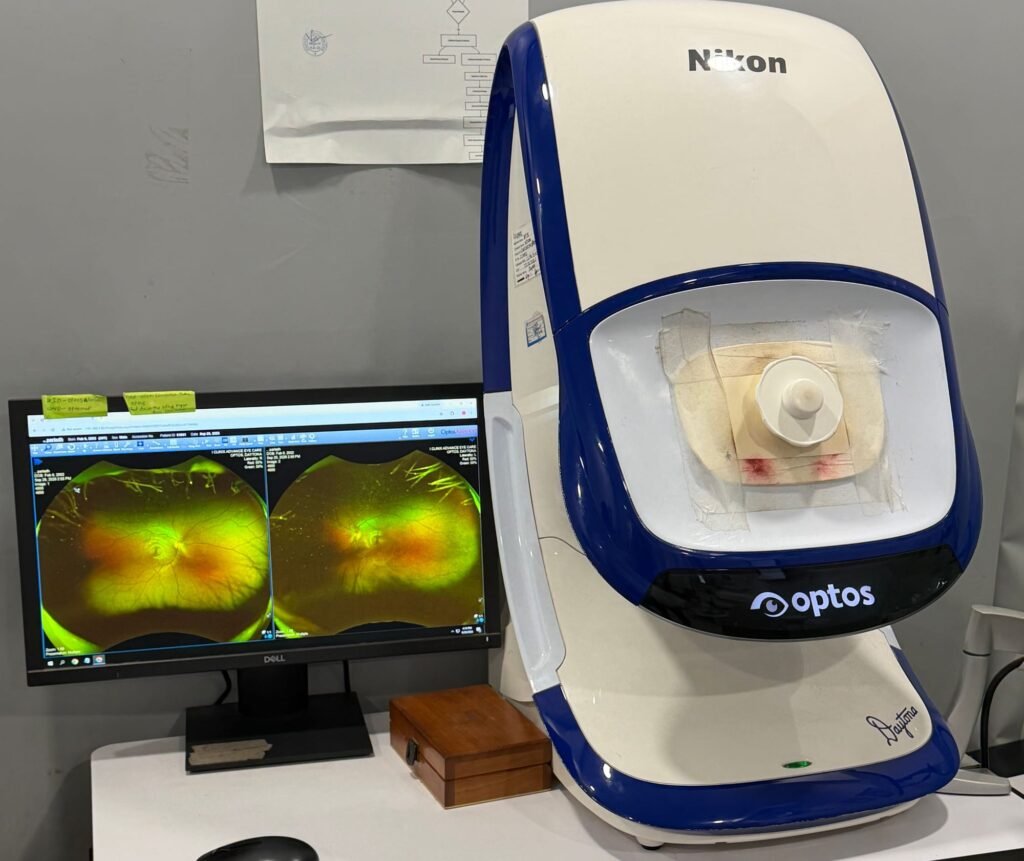
Widefield retinal images on a screen beside the retinal camera
OUR HOLISTIC APPROACH

Prevention. Detection. Intervention.

We don't just treat diabetic eye disease — we build a complete pathway that follows the patient from risk to recovery, on three interconnected pillars.

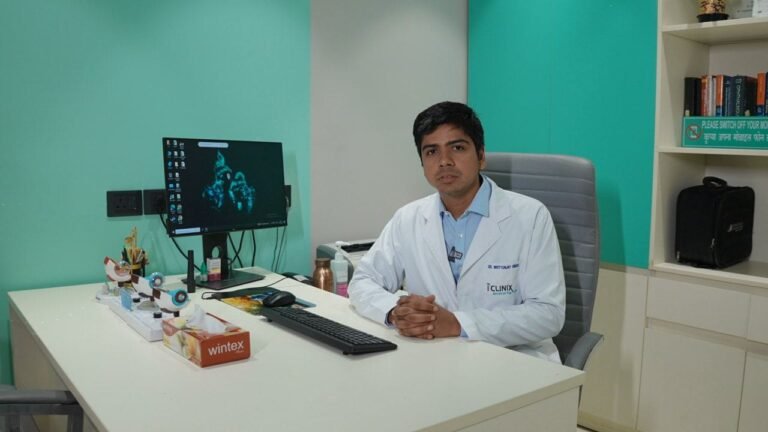
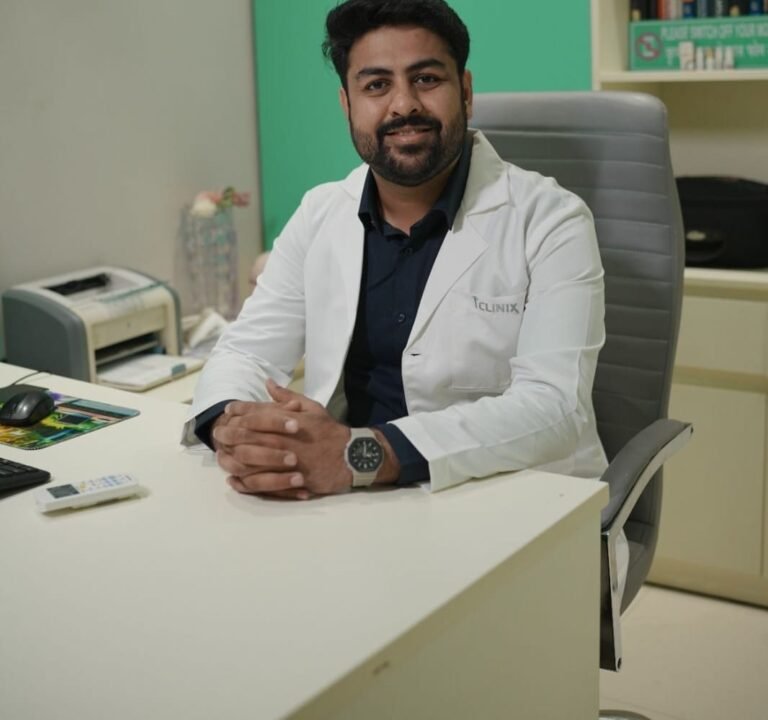
Doctor in his consultation room
01

Prevention & awareness

We believe the best cure is prevention. Community outreach, workshops, health talks and digital campaigns teach diabetic patients and their families about the risks of diabetic eye disease and the absolute necessity of an annual comprehensive eye exam — because protecting your eyes is as essential as managing your blood sugar.

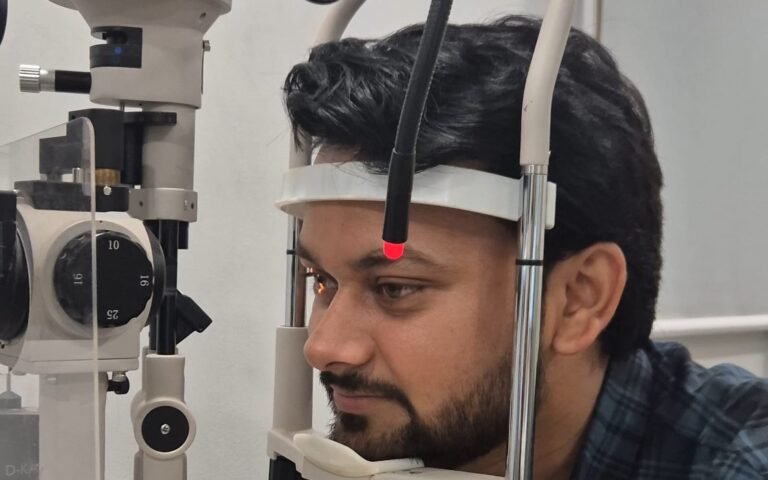
Patient at the slit lamp for an eye examination
02

Early detection through mass screening

Early detection is our strongest weapon against preventable blindness. In-clinic screening, community camps and strategic partnerships with physician networks make sure no at-risk person is missed — catching DR at an early stage, when laser or injections can prevent severe vision loss.

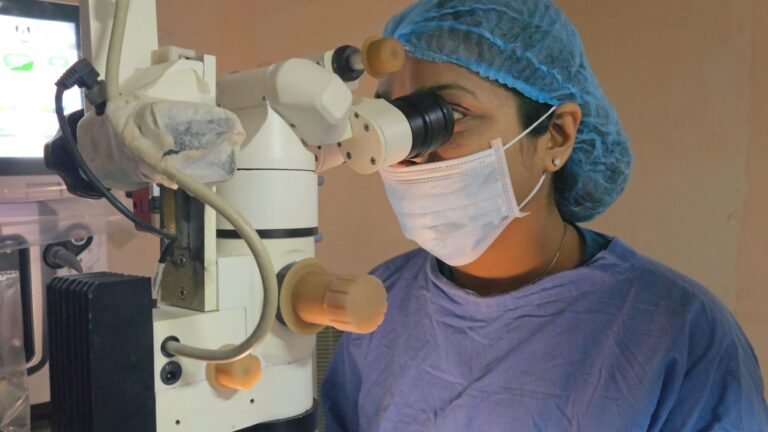
Eye surgeon at the operating microscope
03

Timely, world-class intervention

For those diagnosed, immediate access to sight-saving treatment: anti-VEGF injections, laser photocoagulation and advanced sutureless vitrectomy — to halt the disease, preserve remaining vision and, wherever possible, restore sight. Every patient gets a personalised treatment plan.

Most NGOs do screening or treatment. We do both — plus long-term monitoring.

  • In-clinic screening — every diabetic patient visiting any of our centres receives a comprehensive, dilated eye examination with advanced retinal imaging.
  • Community outreach camps — state-of-the-art screening taken to the doorsteps of underserved communities — corporate offices, residential societies, semi-urban areas and rural villages.
  • Strategic partnerships — our association with the Diabetic Care and Diabetic Complication (DCDC) programme screens diabetic patients directly within their trusted physician networks, making retinal screening part of routine diabetes care.
OUR WORK IN ACTION

How we create impact

Our strategy is data-driven and focused on maximising impact where it is needed most. We continuously analyse screening outcomes to refine our approach, identify high-risk populations and allocate resources effectively.

Doctor at his consultation desk
01

Doctor Clinic Outreach Programme

Most diabetics see a physician — not an eye doctor — for years. Launched in 2025, the programme integrates retinal screening into the practices of over 10 partner physicians. In just a few months it screened 878 high-risk patients and detected 77 new cases of diabetic retinopathy — an 8.8% detection rate. No extra travel, no extra cost, no delay.

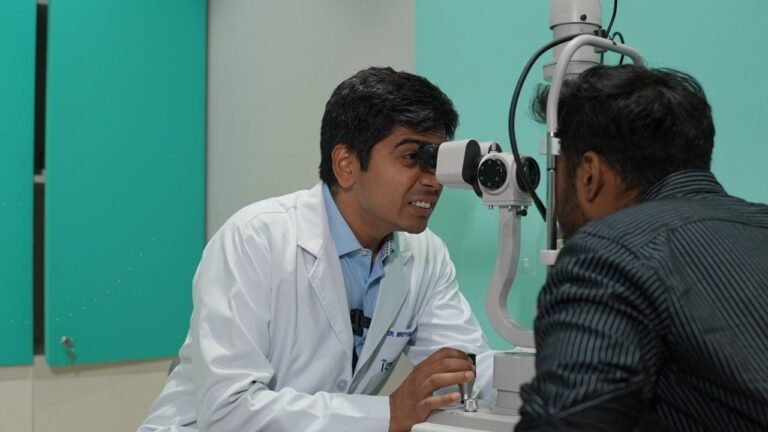
Doctor screening a patient's eyes at the slit lamp
02

Community eye camps

Taking care to the doorstep — slums, corporate offices, residential societies and rural clusters. Vision testing, an anterior segment examination and non-mydriatic fundus photography (no dilation needed). Hundreds have been referred for cataract, glaucoma and DR treatment, many for the first time.

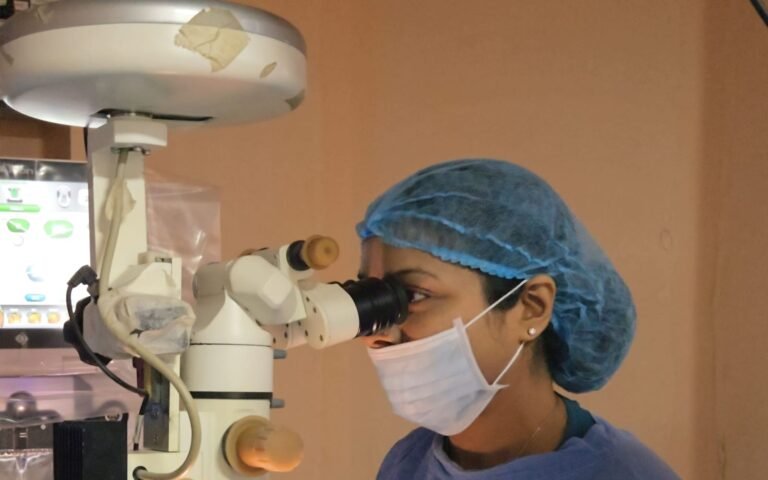
Surgeon at the operating microscope during cataract surgery
03

Cataract surgery for diabetic patients

Diabetics develop cataracts earlier, and their surgery is more complex. A dedicated surgical programme, run in partnership with Adharshila, restores their vision — and removing the cataract also gives doctors a clear view to treat underlying diabetic retinopathy.

THE RIPPLE EFFECT

One screening does not just save sight. It transforms a family.

Every screening, every surgery and every educational interaction creates a ripple effect that extends far beyond the initial intervention.

  • Sight saved — early detection prevents irreversible blindness, so people keep their independence, keep working and enjoy a high quality of life.
  • Economic empowerment — preserving sight keeps people in the workforce, supporting their families — preventing blindness breaks the cycle of poverty that so often accompanies disability.
  • Reduced healthcare burden — proactive, community-based care reduces the long-term strain on tertiary hospitals and avoids costly, complex treatment of advanced disease.
  • Community health awareness — each camp and educational session builds lasting awareness of diabetes management and regular eye check-ups — a culture of health that benefits whole communities.
Patients and families in the waiting room
THE PATH FORWARD

We are not stopping. We are accelerating.

Building on proven success, our 2026–2028 plan scales our impact dramatically.

  • Tripling camp volume — screening 15,000+ people a year through an expanded camp calendar in new geographies — Ghaziabad, Noida, Faridabad and rural Haryana.
  • Doubling DCDC integration — working with more diabetes centres to embed retinal screening into routine diabetes management.
  • Expanding the physician network — from 10 to 50+ partner doctors within two years, so no patient is missed.
  • Leveraging technology — tele-ophthalmology and AI-driven screening tools for faster, more accurate and more scalable detection.
  • Advanced surgical capacity — 1,500+ cataract surgeries a year for diabetic patients, with continued support from CSR partners.
Surgeon in the laser suite
WHY WE ARE DIFFERENT

Not just another eye charity

Most eye-care charities focus on cataracts, or run one-off camps. We were built to follow diabetic patients from screening to treatment — and to keep watching over them.

  • Specialised in diabetic retinopathy — the fastest-growing cause of blindness — where most eye-care NGOs focus on cataracts only.
  • An end-to-end ecosystem — awareness, screening, treatment and follow-up — not isolated screening camps.
  • Embedded in diabetes care — working within DCDC physician networks.
  • Advanced surgical capability in-house — 25G vitrectomy, anti-VEGF injections and pattern laser.
  • Verifiable impact data — three years of tracked outcomes.
  • Long-term monitoring — an annual recall system for diabetic patients.
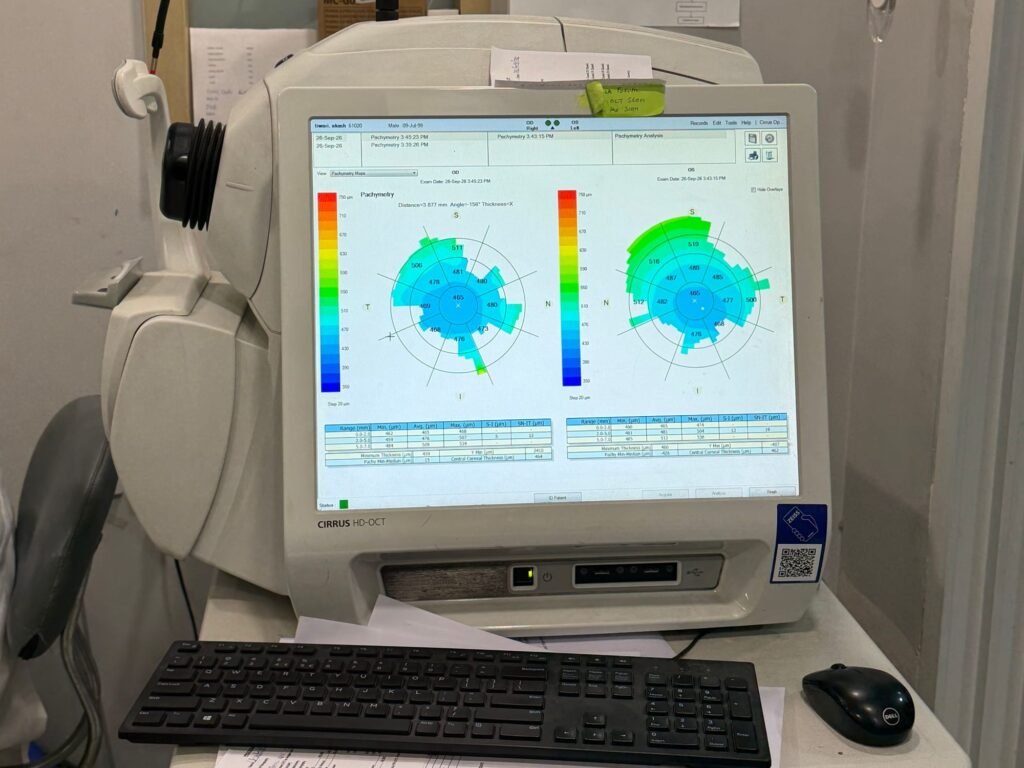
Retinal scan results on the imaging machine's screen
CLINICAL EXCELLENCE

Our team

Our team brings together subspecialty-trained experts in retina, cornea, glaucoma, paediatric ophthalmology and refractive surgery — all working under one roof to provide comprehensive, coordinated care.

Our NABH-accredited facilities are equipped with technology from world-leading manufacturers, including ZEISS, Alcon, Schwind and Ziemer platforms — from advanced retinal imaging to sutureless vitrectomy. With 500+ peer-reviewed publications and a strong commitment to research and training, we are not just treating patients — we are advancing ophthalmology and shaping the next generation of eye care professionals.

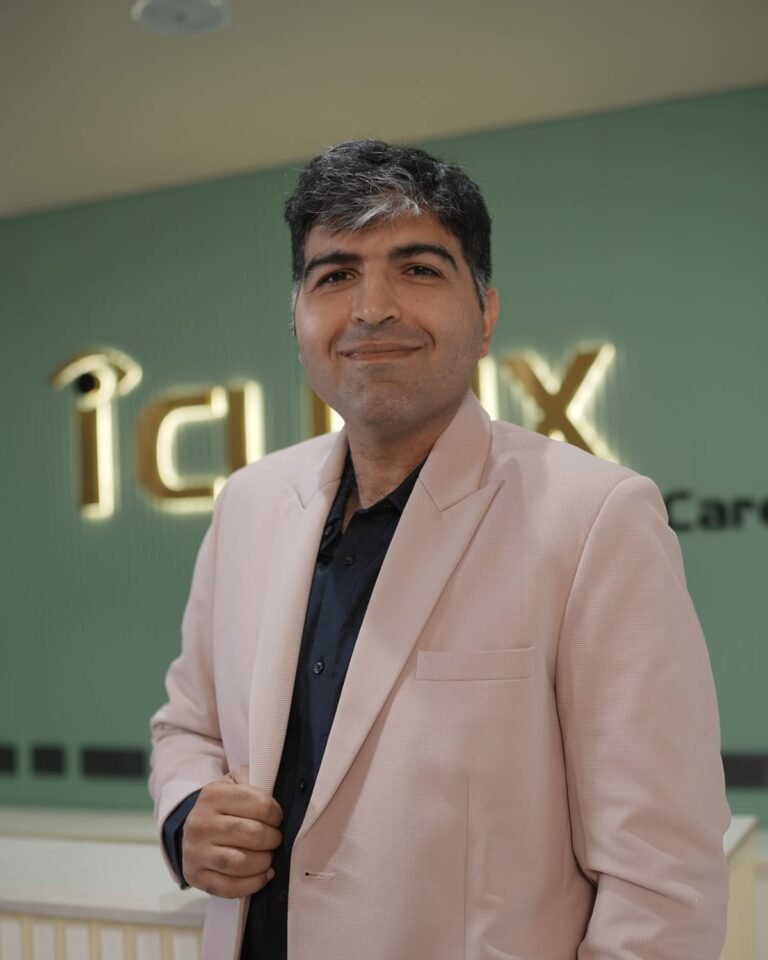
Dr. Varun Gogia

Dr. Varun Gogia

Leads our clinical team · Vitreoretinal surgeon

MBBS, MD Ophthalmology (AIIMS) · Vitreoretinal & uvea training (AIIMS)

An AIIMS-trained vitreoretinal surgeon with over 15,000 retinal surgeries and 35,000 cataract procedures to his name. He topped the MD final examinations at AIIMS and received its Best Junior Resident Award.

REAL STORIES, REAL IMPACT

In their own words

I had diabetes for 15 years but never knew it could make me blind. The camp doctors found the problem early. Now I am getting treatment. Thank you for saving my sight.

— Mr. Sharma, 62, screened at one of our community eye camps in Lajpat Nagar, Delhi (May 2025)

The doctor said my retina was damaged, but they caught it in time. I can still see my grandchildren's faces. I don't know what I would have done if I had lost my vision.

— Mrs. Gupta, 58, screened through the DCDC physician programme
PARTNER WITH US

The fight against diabetic blindness is a battle we can win. But not alone.

Your support — as a donor, CSR partner, healthcare collaborator or advocate — directly translates into sight saved and futures protected. Choose how you would like to help.

For patients

Living with diabetes? Book an eye screening with our team — finding diabetic retinopathy early is what saves sight.

Book a screening

For donors

A one-time or regular donation funds community screening camps that find diabetic eye disease before it takes sight.

Donate

For CSR & healthcare partners

Adopt a geography for a year, sponsor camps or equipment, or bring screening into your clinics — with anonymised, patient-level impact data.

Request a proposal
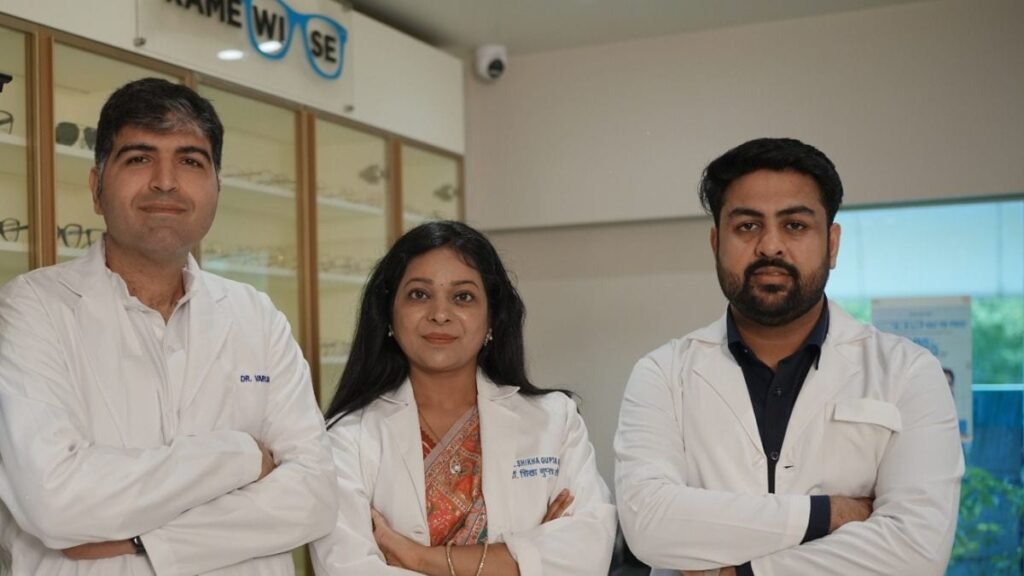
Dr. Varun Gogia, Dr. Shikha Gupta and a colleague

Why partner with us

  • 100% verifiable impact — you receive anonymised, patient-level data.
  • Low-cost, high-leverage — a single ₹500 screening can save ₹5,00,000 in future blindness care.
  • CSR alignment — directly supports SDG 3 (Good Health) and SDG 1 (No Poverty).
  • Tax-exempt status — 80G and FCRA compliant.

Ways to give

  • One-time donation — funds a community screening camp.
  • CSR partnership — adopt a geographic area for a year.
  • In-kind support — equipment, medicines or transport.
  • Advocate — share our message with your network.
SUPPORTED BY

Our partners & accreditations

Call WhatsApp Book screening